

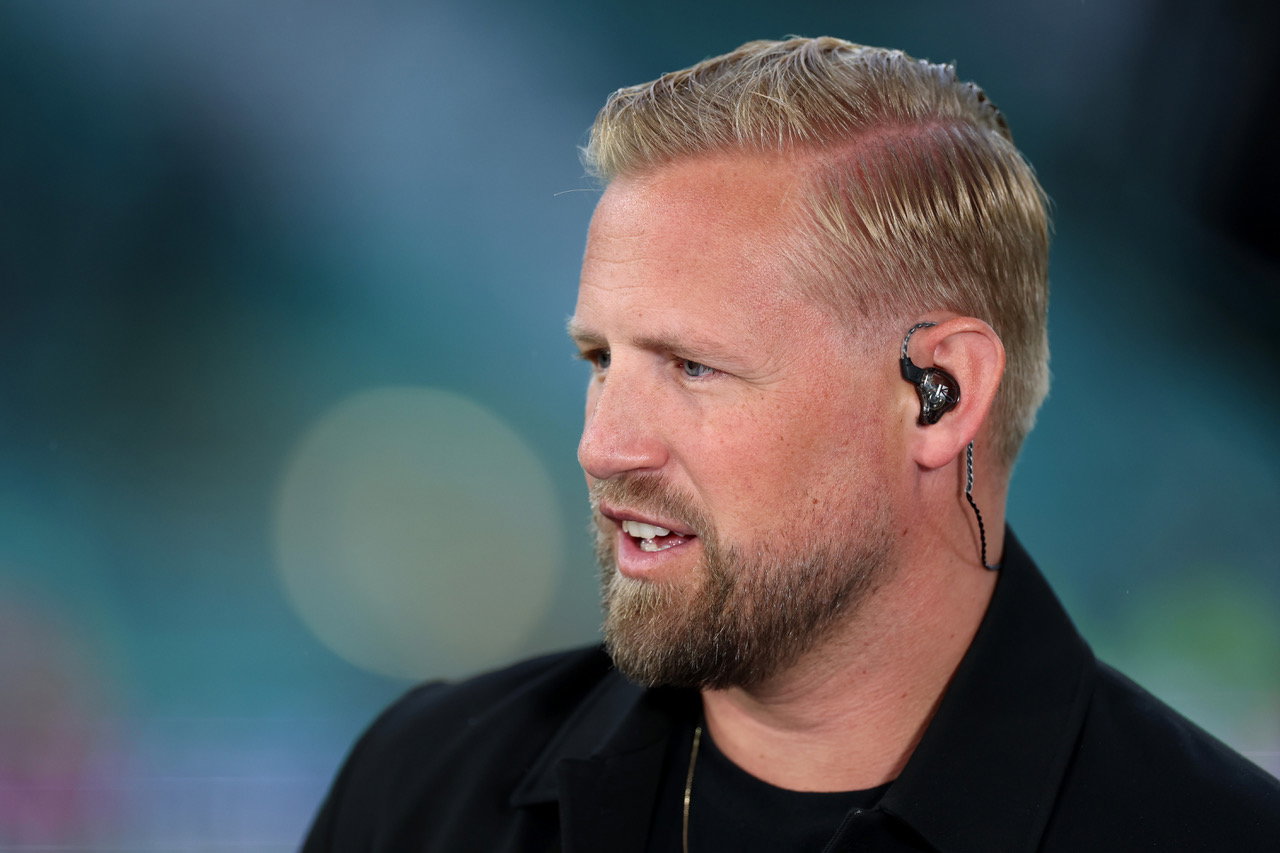
Peter Schmeichel has opened up on the difficult adjustment his son Kasper has faced since injury brought his Celtic career and playing days to an abrupt end.
The former Hoops goalkeeper was forced to retire in May after a shoulder injury effectively ended any realistic prospect of continuing his career at the highest level.
It was a sudden conclusion for Schmeichel, who had still been Celtic’s first-choice goalkeeper only months earlier before injury intervened.
The Dane has already spoken about the challenges of adjusting to retirement and his father has now offered an insight into what the 39-year-old has been experiencing away from football.
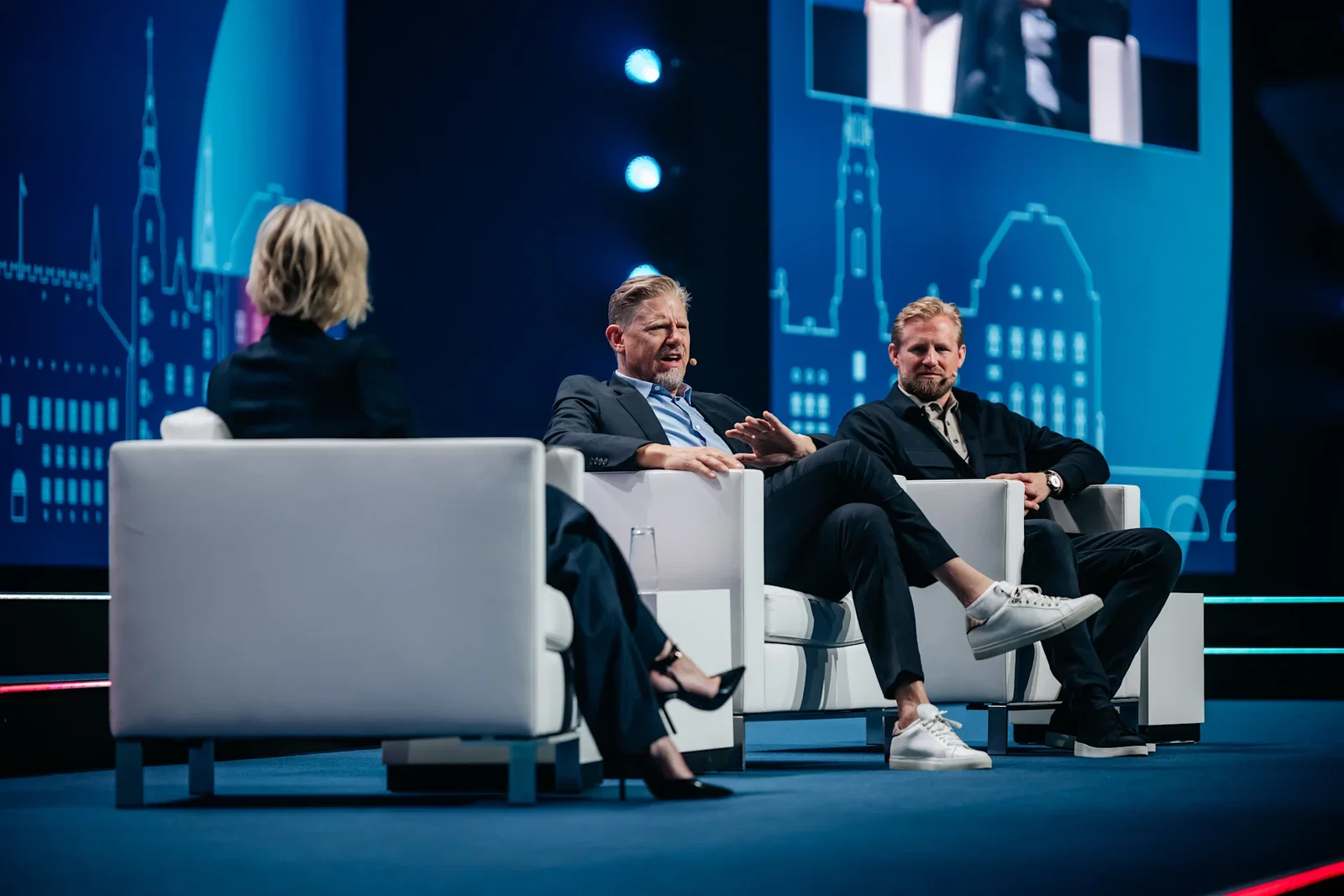
Speaking to talkSPORT, Peter explained how different the situation is when retirement is forced upon a player rather than being a decision made on their own terms.
He said: “It is a difficult period for Kasper now. One day you are somebody. You have an identity. And then the next day you have nothing. There’s nothing there and you can’t replace it with anything.
“I retired on my own, but with Kasper it was an injury. You don’t know what the next bit of your life looks like.”
HAVE YOUR SAY – Join the Celtic conversation in our comments section below…



Quick Tip – Add Celticshorts.com as your ‘Preferred Source’ on Google News for quick access to the Celtic content you value the most. It takes just a few seconds and you’ll notice the difference straight away! – Click HERE….Hail Hail!

1 Comment
Leaving sentiment and Club loyalty aside, and adopting a firmly objective stance, the obvious conclusion is that something wasn’t right about Schmeichel‘s final run of games with Celtic. The cup final loss to Aberdeen ultimately stemmed from his missed attempt to gather the ball. Were this a genuinely one-off incident then maybe – despite its singular importance – it could have been dismissed as an isolated, unfortunate error. The reality though is that it served to illustrate a weakness which had characterised several of Schmeichel’s final performances as Celtic’s keeper. With that in mind, he could (indeed, should!) have admitted having such an injury; similarly, the question can be directed to the coaching staff as to whether they knew. If not, why not? Such questions are destined to remain unanswered. Nevertheless, lessons were hopefully learned to the extent that no goalkeeper representing Celtic will ever be allowed to continue between the sticks, when displaying a clear pattern of serious weakness caused by an obviously significant injury.