

125 years ago (in September 1901), there was the beginnings of one of Celtic’s strangest trophy stories…
The Bhoys lost a prize that they would later come to display at Celtic Park, despite this having Rangers name engraved as the competition’s winners!
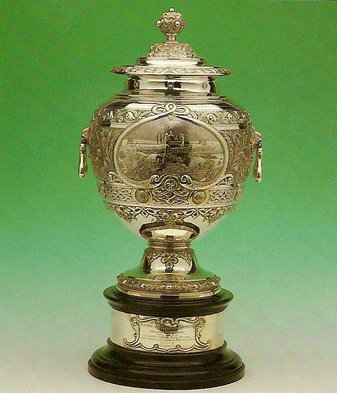
This is the story of Celtic and the 1901 Exhibition Cup…
Celtic’s path toward the 1901 Glasgow International Exhibition Cup can be traced back to the club’s earliest days. Formed in 1887 – before first playing the following year – Celtic immediately became involved in different football tournaments.
Their first competitive matches came in the Glasgow Exhibition Cup of 1888, a competition staged as part of the International Exhibition of Science, Art and Industry. The young club, described by one newspaper as the “Glasgow Irish Roman Catholic combination,” reached the final but lost 2–0 to Cowlairs.
This early experience established a pattern: football contests were often tied to large public exhibitions in Glasgow, and Celtic would continue to be involved in these showcase events.
When the Glasgow International Exhibition was held in 1901, organisers again included a football tournament. Like its predecessor, the exhibition ran from May to November and attracted millions of visitors. It also marked the official opening of Kelvingrove Art Gallery and Museum, partly funded by proceeds from the 1888 event.
The football matches were staged at Glasgow University’s recreation grounds, the same venue used for the 1888 competition and for the 1901 Glasgow Charity Cup, in which Celtic had recently lost to Third Lanark.
Eight clubs from across Scotland entered the 1901 Exhibition Cup: Celtic, Rangers, Third Lanark and Queen’s Park from Glasgow; St Mirren and Morton from elsewhere in the west; and Hearts and Hibernian from Edinburgh. Matches were played throughout August and September.
The opening fixture saw Third Lanark defeat Morton 3–1. Rangers then produced the most emphatic scoreline of the round, beating St Mirren 8–1 whilst Hearts narrowly overcame Queen’s Park 2–1.
Celtic’s first‑round match came against Hibernian on 21 August. The east end club had begun its season days earlier with a friendly win over Royal Albert and a league draw with Dundee.
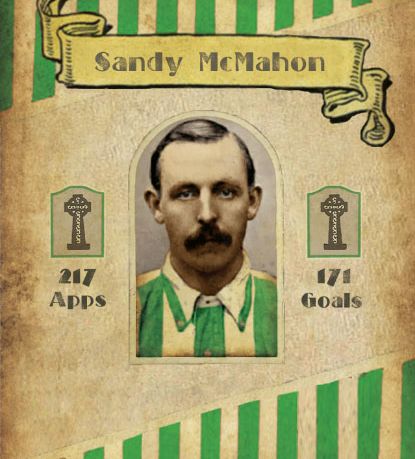
For the Exhibition Cup tie, Celtic fielded a strong side including renowned Celts Barney Battles, Sandy McMahon and Jimmy Quinn. Hibernian also selected a capable team.
A crowd estimated at around 7,000 attended, though opinions varied on the quality of the match. One journalist wrote that “neither side attempted to introduce the finer points of the game.”
Hibs dominated early possession but repeatedly failed to convert chances. Celtic scored after eight minutes through Jimmy Drummond and held the lead for the remainder of the match.
The second half mirrored the first: the Easter Road men created opportunities but lacked composure, while Celtic’s defence remained solid.
Reports differed on the fairness of the result, with the Edinburgh Evening News calling Celtic “lucky” but the Daily Record insisted they were “unquestionably the better side.”
Celtic joined Rangers, Hearts and Third Lanark in the semi‑finals. Rangers comfortably defeated Third Lanark 4–1 in the first semi, dominating throughout and capitalising on their opponents’ injury‑induced reduction to ten men.
Celtic’s semi‑final, played on 5 September, brought another Edinburgh opponent: Hearts. The teams had met in the Scottish Cup Final five months earlier, a dramatic 4–3 victory for Hearts.
Nine of Hearts’ players from that final appeared again in the Exhibition Cup semi. Celtic made four changes from their first‑round line-up, bringing in James Moir, Willie Loney, John Hodge and Johnny Campbell.
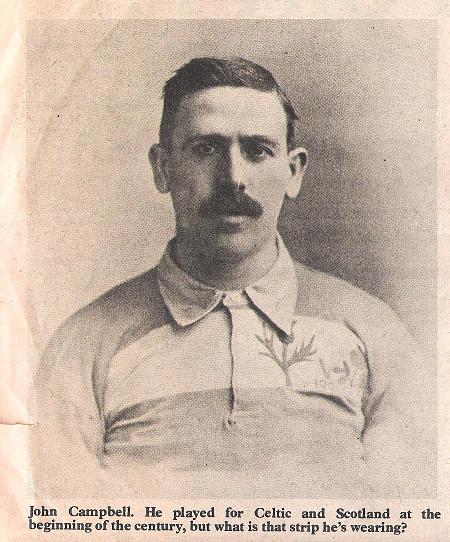
Expectations were high for a close contest, and attendance estimates ranged from 7,000 to 10,000. Celtic scored within the first minute through John Hodge, but Hearts equalised soon after via Bobby Walker, one of the standout performers from the Scottish Cup Final.
The match was fast and evenly balanced, with both goalkeepers praised for their performances. The second half continued in similar fashion. Celtic’s Johnny Campbell missed a notable chance, but Jimmy Drummond eventually restored Celtic’s lead. Hearts pushed for an equaliser, but Celtic’s defence held firm, securing a 2–1 victory and a place in the final.
The final brought Celtic and Rangers together at a time when relations between the clubs were far more cordial than in later decades.
The term “Old Firm” had not yet been coined, and the clubs frequently cooperated, including playing benefit matches for one another’s players. Just weeks before the final, Rangers had visited Celtic Park for a testimonial for Celtic goalkeeper Dan McArthur.
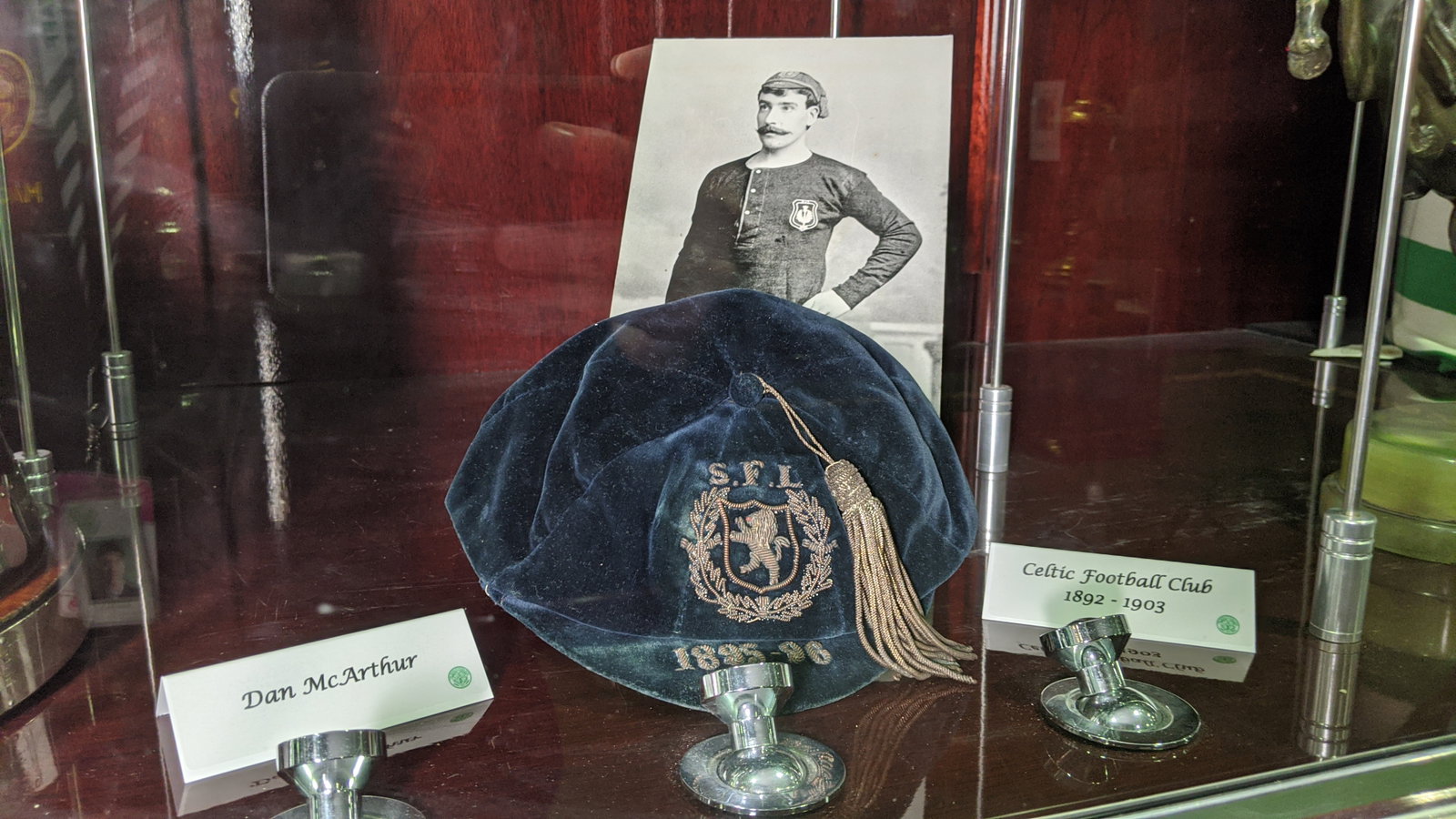
With memories of defeat in the 1888 Exhibition Cup, Celtic were eager to avoid any repeat. They fielded a strong team and Rangers also selected a formidable side. The match drew a crowd of up to 20,000, a significant attendance at the time for a non‑Scottish Cup Final.
Played on 9 September in fine weather, the match began with both teams attacking energetically. Celtic goalkeeper MacFarlane was tested early, but the first goal came from Celtic.
After stopping a Rangers attack, MacFarlane initiated a counter‑move that allowed Johnny Campbell to run through midfield and score. However, Rangers responded quickly, equalising through Robert Hamilton, a player later commemorated with a street named after him in his hometown of Elgin.
Rangers finished the first half strongly and continued to dominate after the interval. Their pressure resulted in a goal from Robert Neil, giving them a 2–1 lead. Celtic pushed forward in search of an equaliser but struggled with cohesion in attack.
With ten minutes remaining, Rangers extended their lead when Hamilton scored his second goal after a long run. As darkness fell, Rangers secured a 3–1 victory, handing Celtic their second Exhibition Cup Final defeat.
The result frustrated Celtic supporters and others beyond Glasgow. One newspaper reported an incident in Aberdeen where a labourer, angered by an argument about the final, challenged another man to a fight. The confrontation escalated until police intervened.
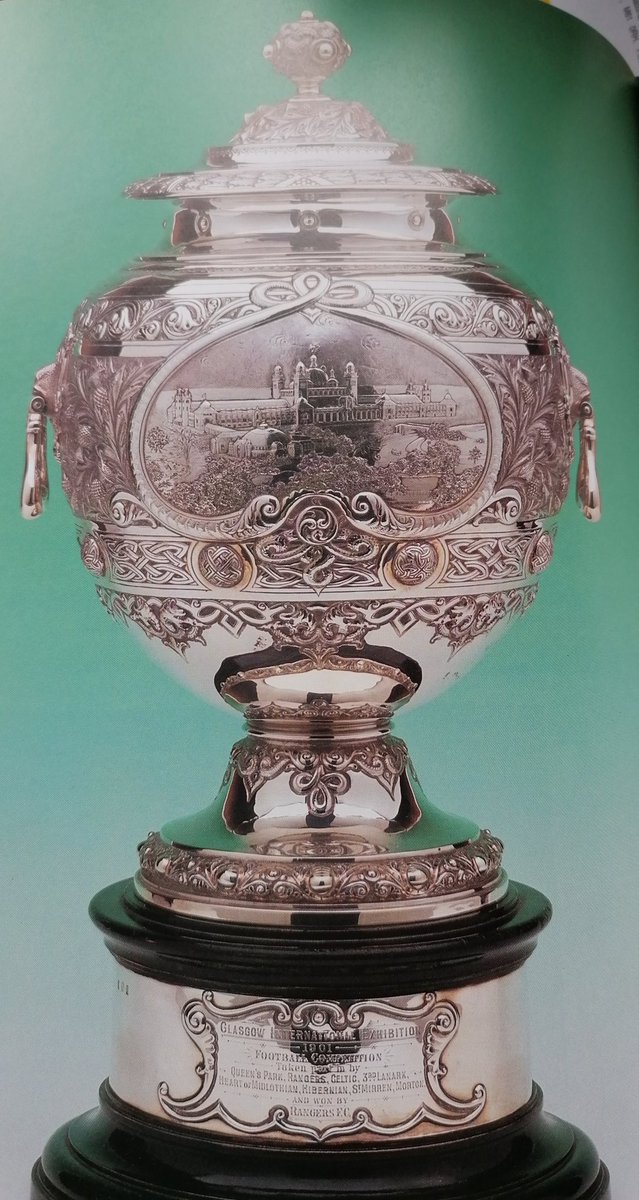
And so this seemed to conclude Celtic’s interest in the 1901 Exhibition Cup. It was a fine prize and the engravings named Rangers as its winners.
This should have been the end of the story, until a tragedy occurred just months later. In April 1902, a stand at the new Ibrox ground collapsed during a Scotland versus England game. This killed 25 people and injured more than 500.
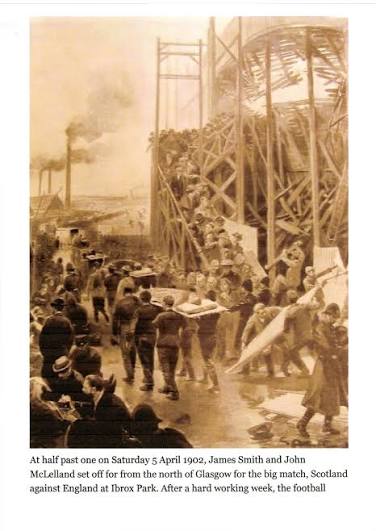
As a consequence of this awful episode, numerous fundraising activities took place to support the victims. Rangers also held their own events in order to raise money to rebuild Ibrox.
One such action was to hold a British League Cup featuring the top two sides from England and Scotland. To persuade Everton, Sunderland and Celtic to participate, Rangers offered as a prize their 1901 Exhibition trophy.
As this 1902 tournament coincided with the coronation of Edward VII – and because it featured English and Scottish teams – it became known as the Coronation Cup, echoing a later Celtic prize from 1953.
The Celts faced English champions Sunderland and disposed of them with ease, celebrating a 5-1 triumph. Rangers drew with Everton at Goodison Park before winning a replay at Celtic Park. Thus, in a repeat of the 1901 Exhibition Cup Final, the green and blue halves of Glasgow would face off.
On 17 June 1902, the two sides went to Cathkin Park in Glasgow’s southside. By the time full-time was called, confusion reigned.
The 90 minutes were exciting and it ended 2-2. Some newspaper reports – written by journalists who left as soon as the match ended – later stated that a replay was needed. In fact, the players agreed to have extra-time of ten minutes each way.
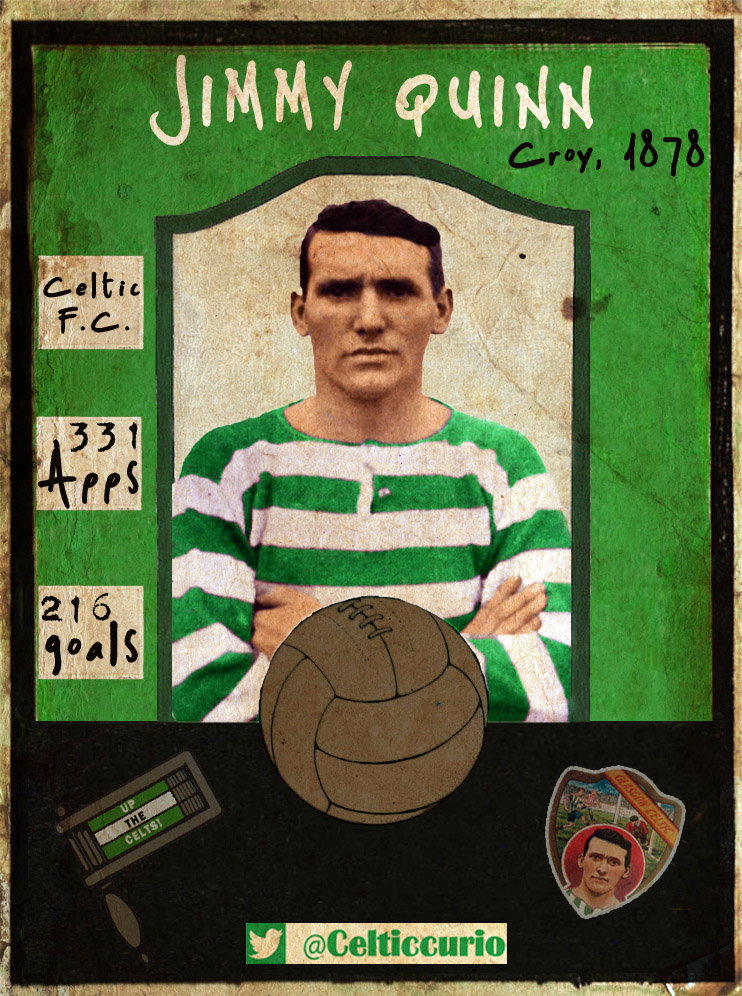
In this time, with the final kick of the ball, Celtic’s Jimmy Quinn completed his hat-trick to give the Bhoys a 3-2 victory, and also collect the Exhibition Cup.
Rangers were irked by this and for some reason expected the Celts to give back their reward, but numerous requests – and even legal letters – were rejected.
It was indeed a grand prize, and lists Rangers as winners. Despite this, the trophy remains on display Celtic Park. It is one of the club’s most attractive exhibits – and one of Celtic’s strangest tales for how another prize was added to the Bhoys’ remarkable honours list.
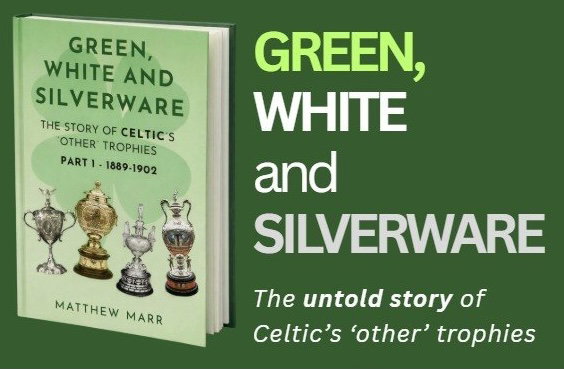
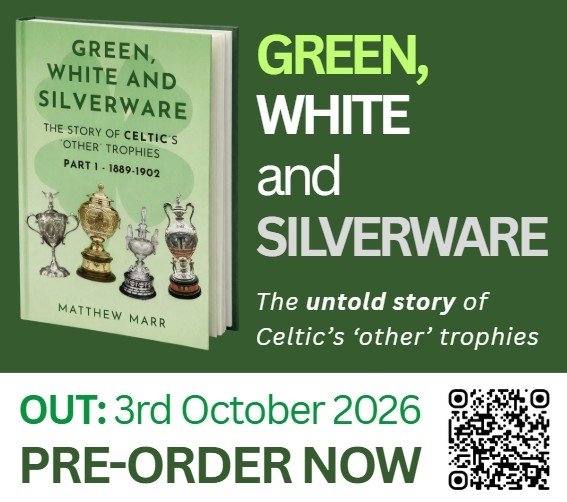
To learn more about the 1902 British League Cup – and other early Celtic successes – you can get the new book ‘Green, white and silverware’ by Matthew Marr which is released next month. To get pre-order information, click HERE.
Matthew Marr


1 Comment
Magnificent piece of history