

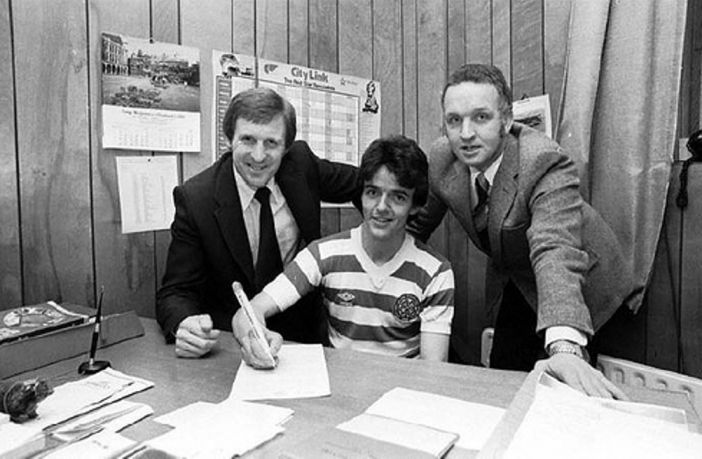
45 years ago, Celtic completed their own Olympic Challenge…
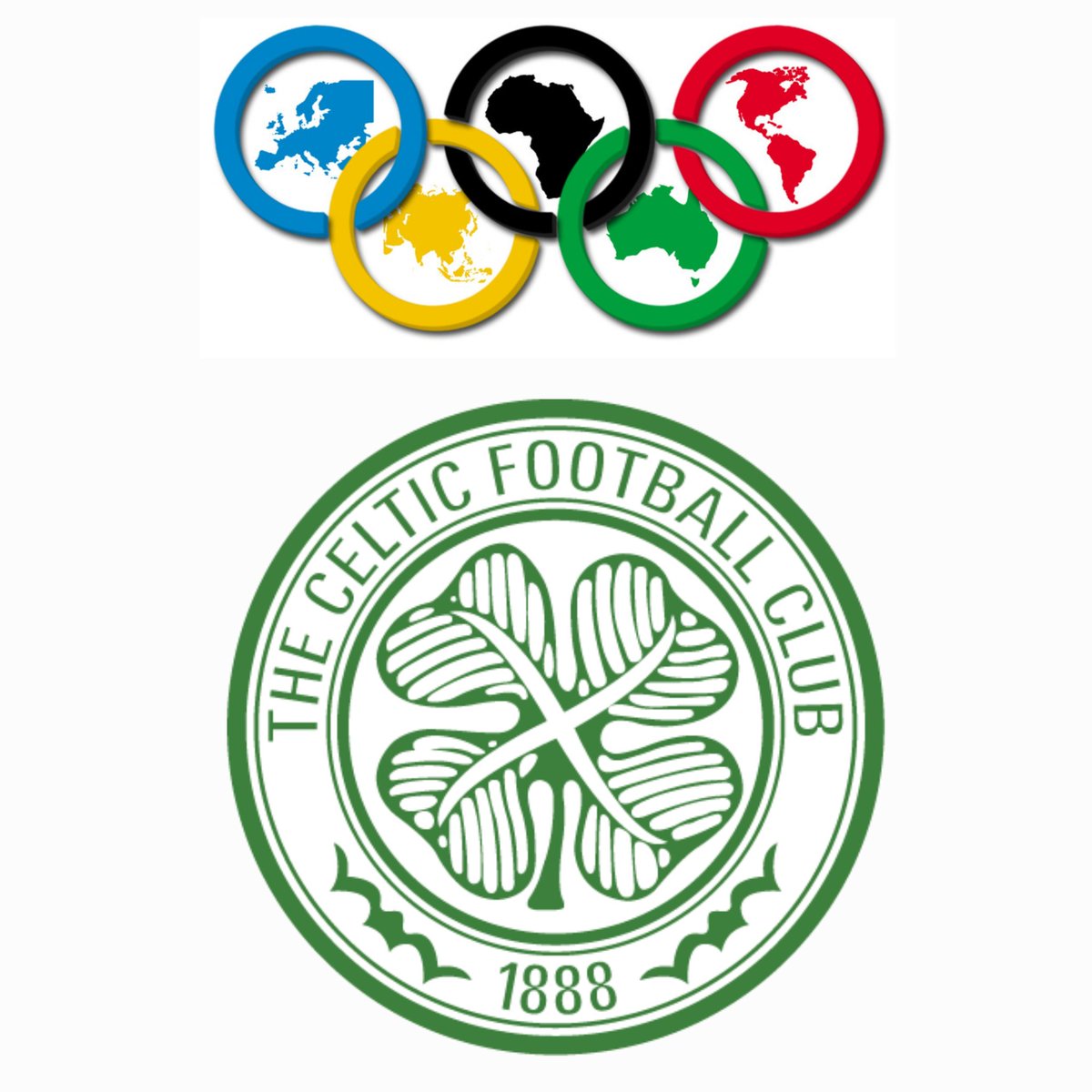
This is the story of Celtic’s first visit to each of these locations…
EUROPE
Of course, the first continent in which Celtic played was Europe. The club’s playing experiences began in Glasgow’s east end in May 1888 with a 5-2 win over the side that would become their great rivals, Rangers.
However, football was not simply a Scottish affair. Celtic’s first experience of this involved English team Mitchell St George’s coming to Celtic Park on Hogmanay 1888 and losing 7-1. By the following February, Celtic were ready to play outside of Scotland.
They went to the Oval in London – now more famous as a cricket venue – and lost 3-1 to Corinthians. The next month saw the Celts enjoy their first victory outside Scotland with a 4-3 scoreline against Newcastle West End at St James’ Park.
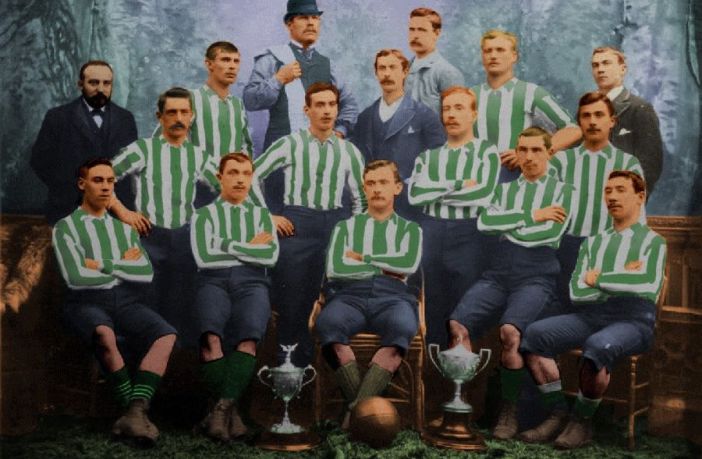
Although formed by Irishmen, Celtic did not go back to the land of their birth until April 1889. On that occasion, the Bhoys played twice in Belfast, beating Distillery and then United Belfast.
For the first 16 years of playing existence, the Celts had stayed in Scotland, England and Ireland; there would no Welsh experience until the 1990s when Celtic beat Inter CabelTel in the UEFA Cup.
1904 saw the Bhoys’ first continental European tour. They went to Austria and Bohemia, playing three games and winning them all. In subsequent years, Celtic again looked out their passports, also going to France, Germany, Hungary and other places, including in the lead-up to World War One.
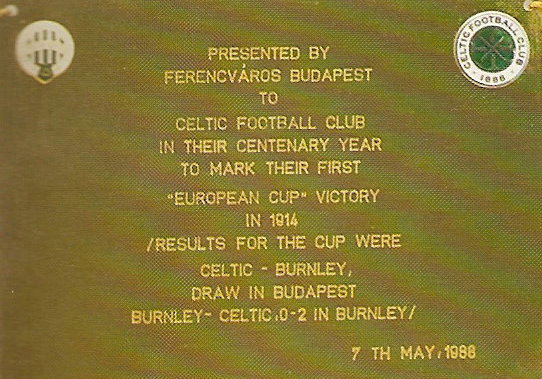
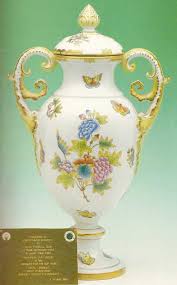
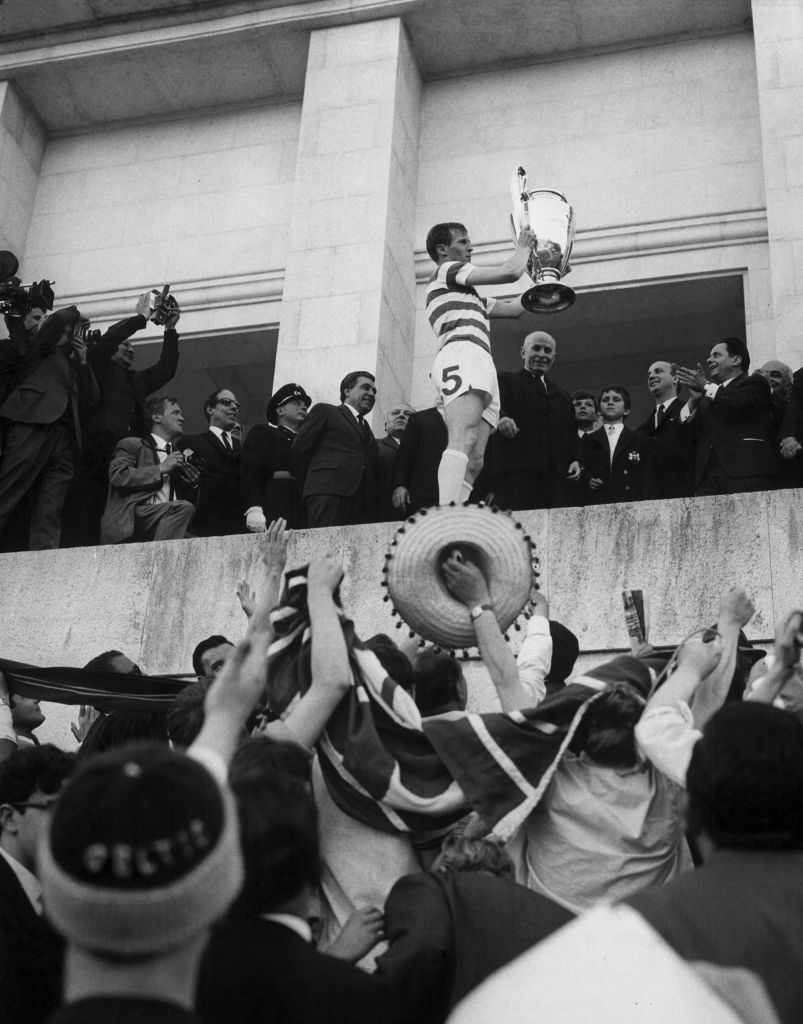
Since the early days, European football has changed beyond all recognition and become a central part of the club’s existence. Instead of weeks-long tours by boat, air travel has allowed the development of continent-wide competitions, most famously that brought Celtic glory in 1967.
THE AMERICAS
In terms of the Americas, Celtic made first made such a journey in 1931. At the end of the season, the Celts went for a 13-match tour of the USA and Canada. They took with them a very special guest – the Scottish Cup.
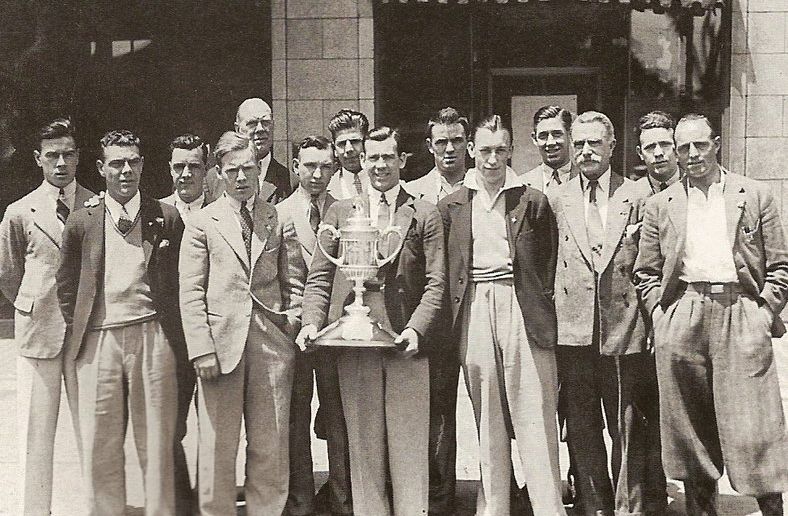
It proved to be a memorable, controversial and often tragic trip. Celtic won ten of the matches and had different ‘first’ club experiences, such as playing in Detroit under floodlights, almost three decades before these would installed at Celtic Park.
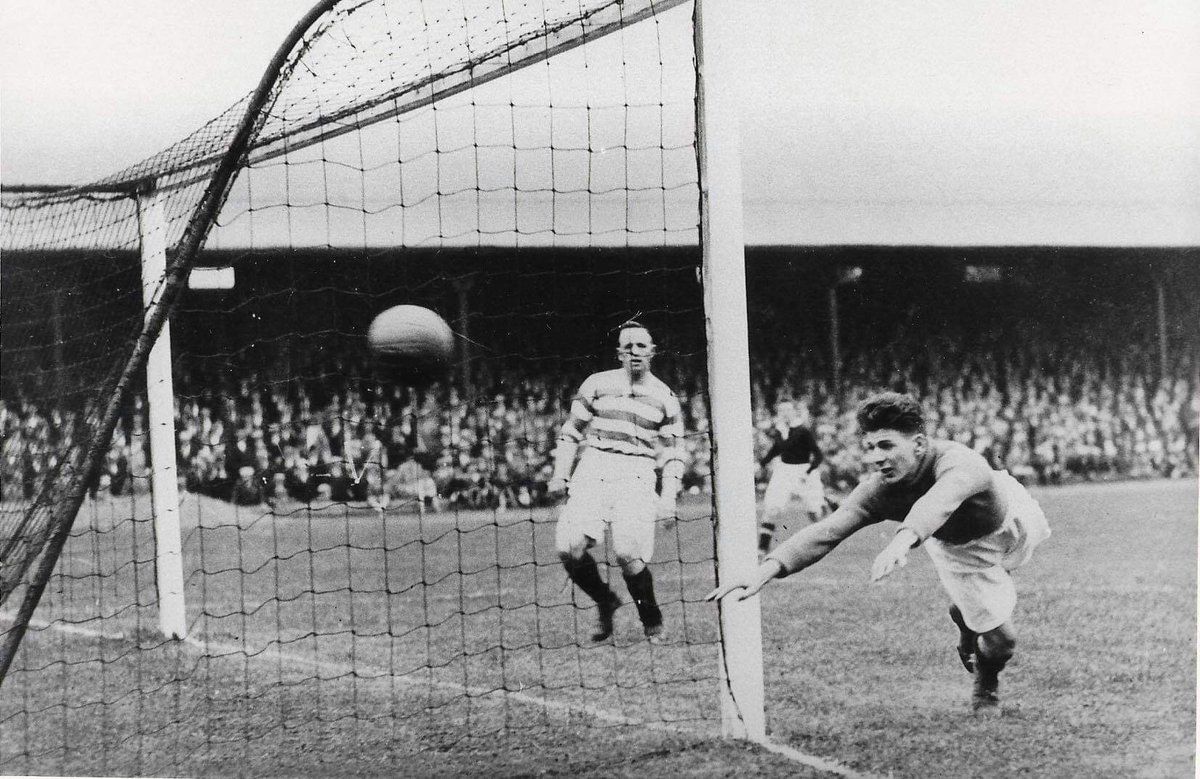
However, there were also various games that involved violence, broken jaws, sendings-off and even a police escort to safely escape one ground. There was also tragedy later in 1931 with John Thomson dying on the pitch and Peter Scarff being diagnosed with tuberculosis, which would kill him.
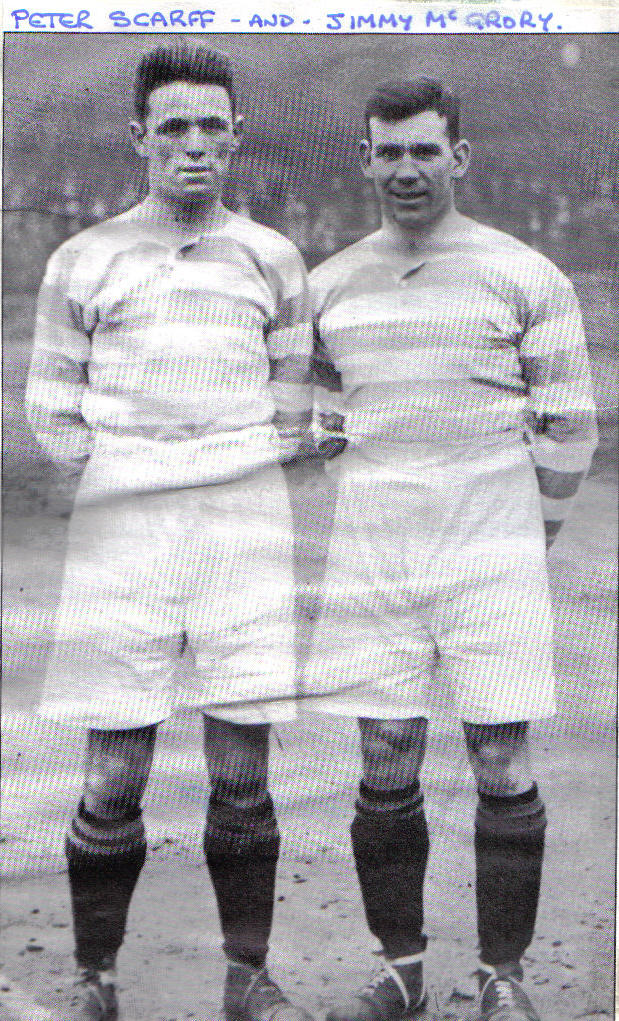
Since then, Celtic have returned to North America in numerous occasions for tours and one-off friendly fixtures. Geographers would state that the Americas is not one but two continents, splitting it into North and South. Even in this case, the Celts have still made appearances in both parts.
The club’s first South American visit is notorious in Celtic history. In 1967, the Bhoys of course celebrated winning the European Cup. This victory gave Celtic entry to that season’s Intercontinental Cup, which paired the top teams in Europe and the Americas.
Celtic faced Racing Club of Argentina and enjoyed a 1-0 win at Hampden. But the South Americans on-pitch violence gave just a hint of what was to come. The return leg was another brutal affair and ended 2-1 to the home side, meaning a deciding tie was needed in the days before ‘away goals’.
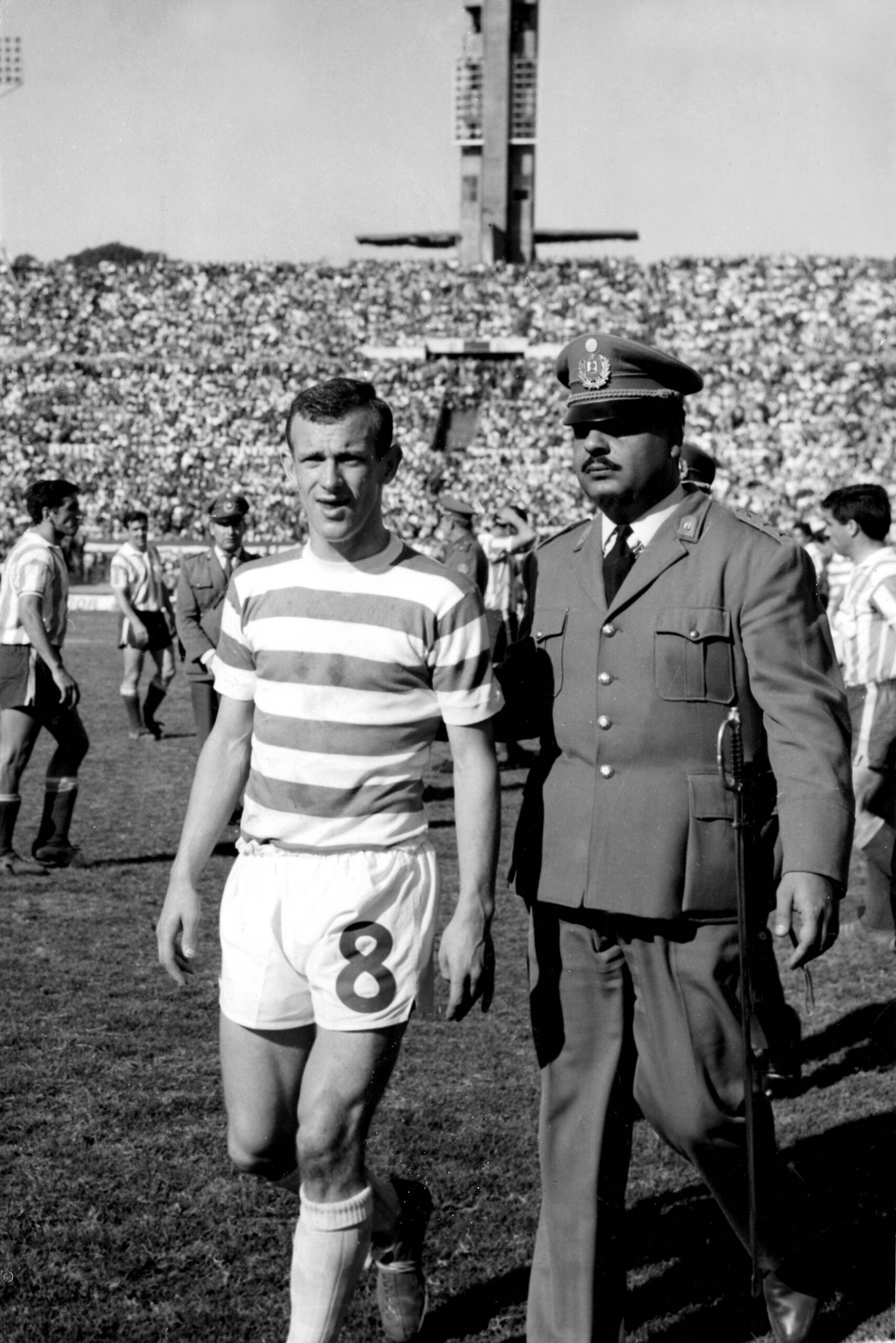
For this third game, FIFA decreed that it would take place in Montevideo in Uruguay. It proved to be a farce. Celtic lost 1-0 but the main story was the on-pitch fighting which saw six sendings-off, including four for Celtic, although Bertie Auld refused to leave the pitch.
Celtic have also played in Central America, under less controversial circumstances. In 1968, the Bhoys’ overseas tour included a match at the world-famous Azteca stadium in Mexico City. The Celts struggled in the stifling heat and fell to a 3-2 defeat to Club Necaxa.
ASIA
The next continent to be crossed off Celtic’s destination list was Asia. In 1977, the Bhoys travelled to Singapore following a very successful season where they finished as league and Scottish Cup holders. The purpose of the journey was to play in the World of Soccer Cup, firstly held in Singapore.
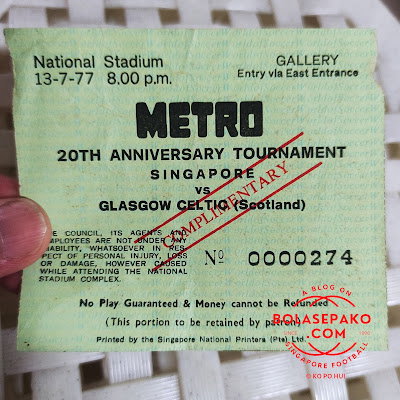
Playing in the Singapore National Stadium, the Celts firstly enjoyed a comfortable 5-0 win over a Singapore XI, watched by a huge crowd who were excited by the chance to watch the European visitors.
The next match was more challenging as the Hoops lost 3-1 to Red Star Belgrade, Bobby Lennox scoring a late penalty. In reality, the whole tour was overshadowed by Kenny Dalglish refusing to travel with a move to Liverpool seeming to be on the cards.
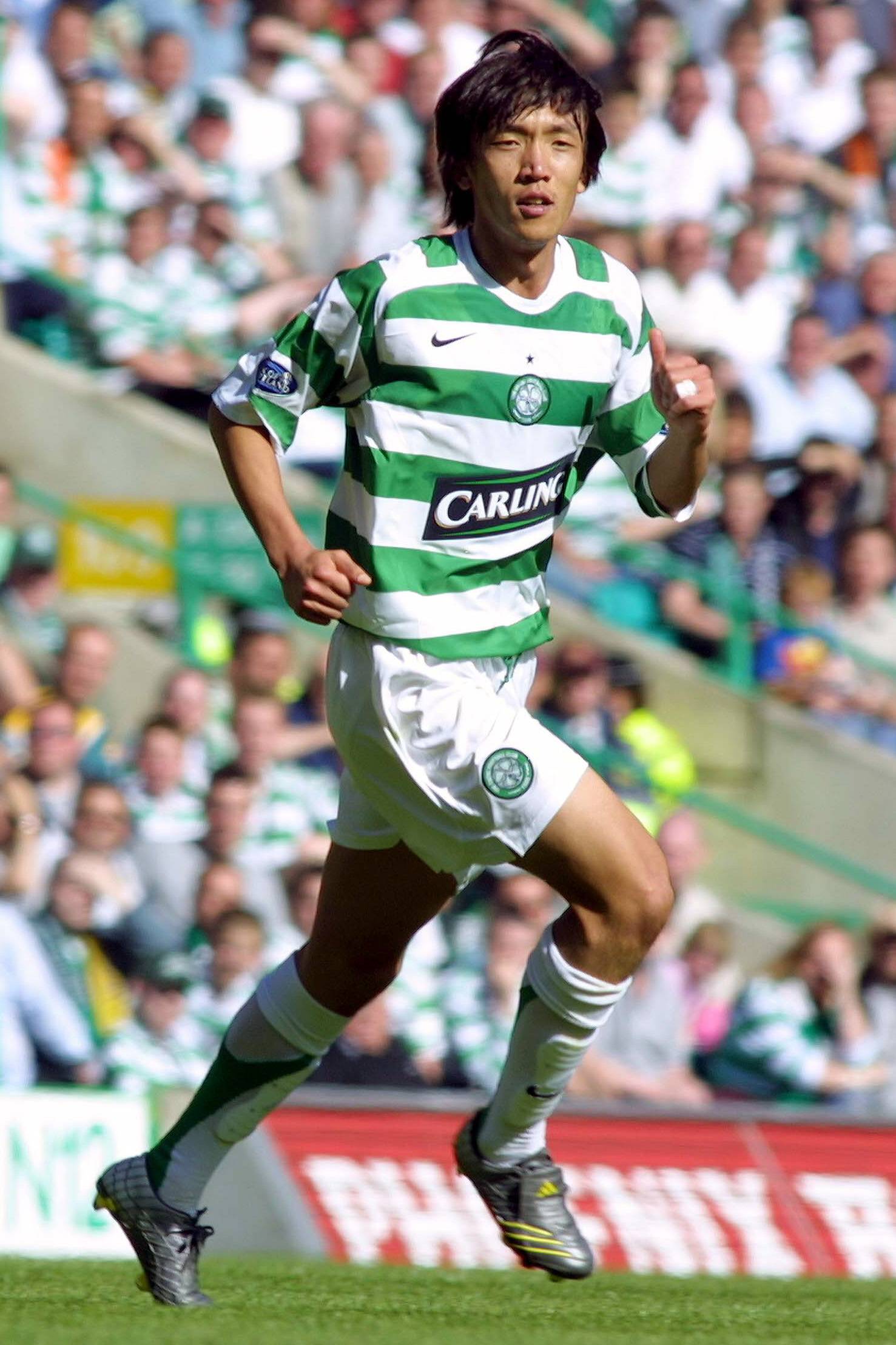
Since then, Celtic have had other Asian links. There have been further matches played in Japan, as well as various iconic Asian players including Shunsuke Nakamura, Kyogo Furahashi and Daizen Maeda.
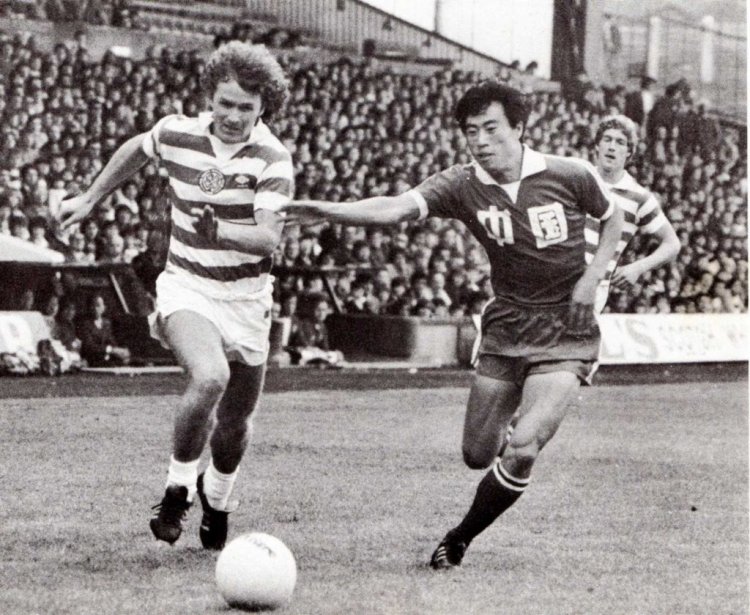
Also, in 1979, the Chinese national team were defeated 6-1 at Celtic Park by the Bhoys.
OCEANIA
Celtic’s 1977 travels did not just include Asia – it involved Oceania too. The World of Soccer Cup also included matches being played in Australia.
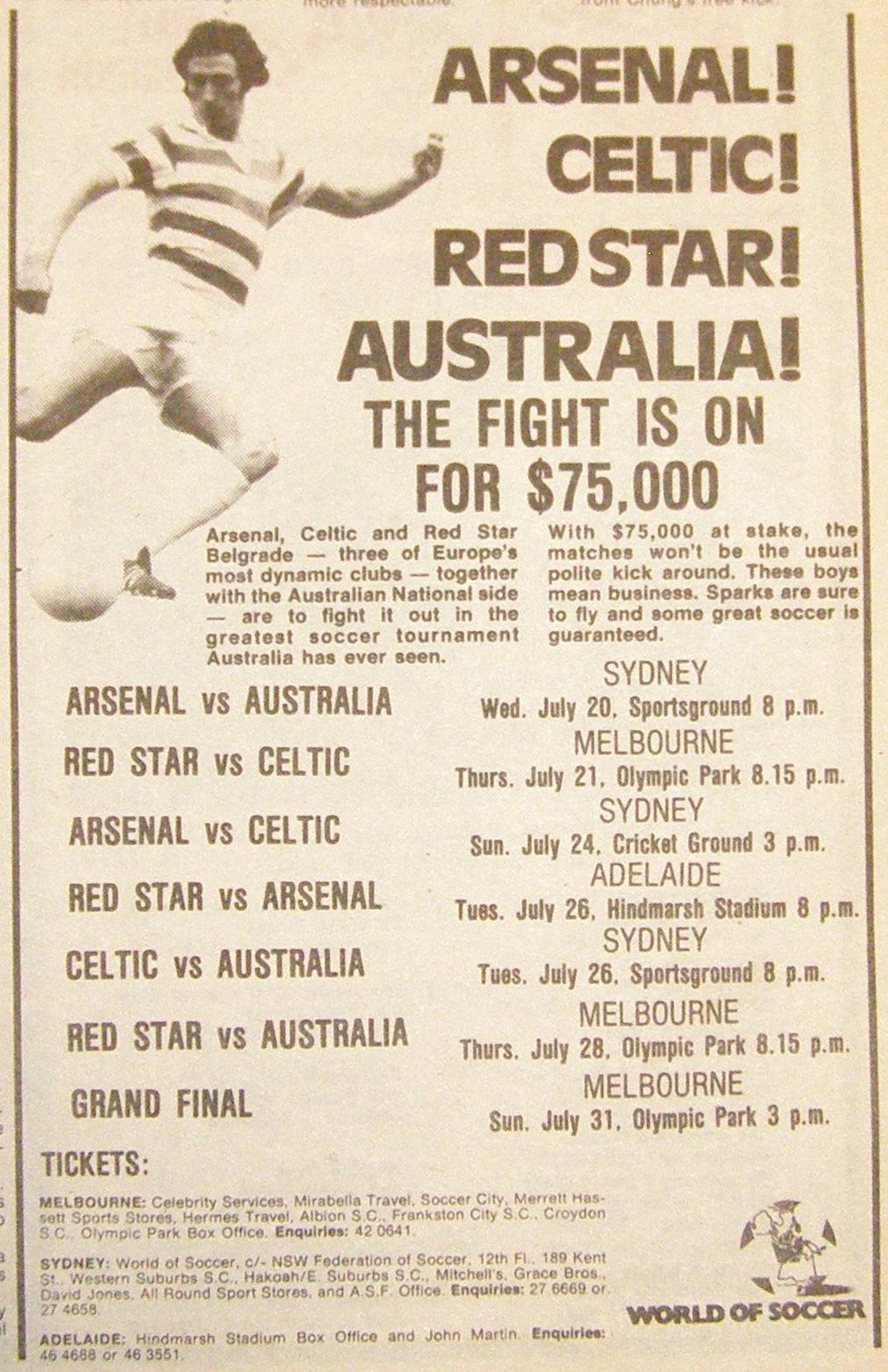
The Hoops played four games in Australia, split evenly across Sydney and Melbourne. Celtic started the Oceania stage of the tour with a 1-1 against Red Star Belgrade before beating Arsenal 3-2. In a match with an Australian XI, there was another 3-2 victory. In the final game, Celtic gained revenge by beating Red Star 2-0 to be crowned competition winners.
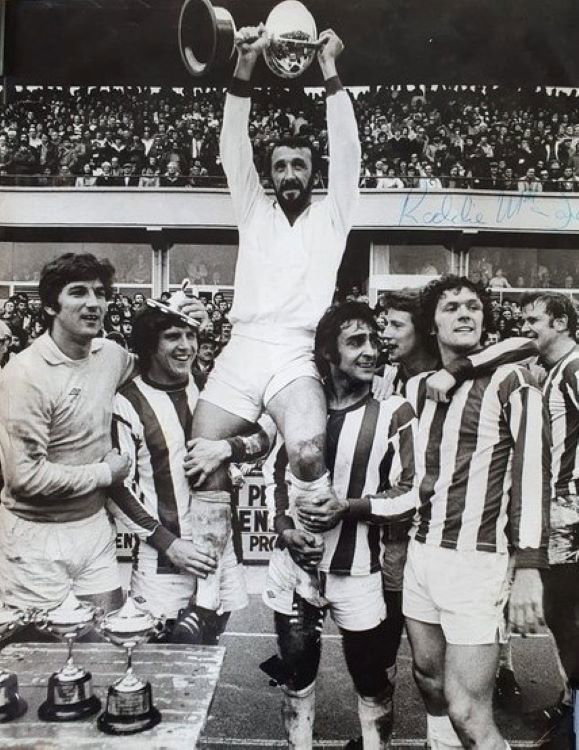
Although hardly an important competition, the World of Soccer Cup was notable as the final trophy won by Jock Stein during his time as Celtic manager. 1977-78 proved to be unsuccessful and Celtic’s greatest ever boss was out the door, replaced by Billy McNeill.
As with Asia, the Celts have returned to Australia at different times since the 1970s. There have also been other Australian connections, not least the popular manager Ange Postecoglou and players such as Scott McDonald.
AFRICA
By the 1980s, Celtic had some African links but had never yet played on that continent. In 1913, it had been mooted that the club would take part in a joint tour of South Africa with Rangers, but this did not eventually transpire.
Another connection came in 1899. That year, Celtic welcomed a team of all-black players from the south of Africa to Celtic Park. This was one stage of a British tour that featured other games in Scotland and numerous examples of racism and ridicule in newspapers towards the visitors.
Finally, in 1981, Celtic finally arranged a fixture in Africa. On 18 May 1981 – at the end of the 1980-81 season when the Celts had been crowned champions – there was a visit to Casablanca in Morocco. Celtic faced a Moroccan XI with 50,000 local fans turning out to see Scotland’s finest.
The Bhoys had a weakened team owing to international matches being on at this time so the squad included some youth players. An unusual looking Celtic team wearing yellow shirts, green shorts and yellow socks took to the field.
The game started well for the Celts, who led 1-0 at half-time thanks to a Frank McGarvey goal. However, the extreme warmth and physical nature of the opponents made life difficult. By the end of the match, it finished 2-1 to the hosts. There’s some fascinating footage of this match in the video below…
Geographers contend there are actually seven continents. The Celts have played them all, except of course Antarctica. Perhaps one day the east end club will head for the South Pole, although Hoopy the Huddle Penguin doesn’t quite have the same ring to it.
Matthew Marr
HAVE YOUR SAY – Join the Celtic conversation in our comments section below…
Quick Tip – Add Celticshorts.com as your ‘Preferred Source’ on Google News for quick access to the Celtic content you value the most. It takes just a few seconds and you’ll notice the difference straight away! – Click HERE….Hail Hail!